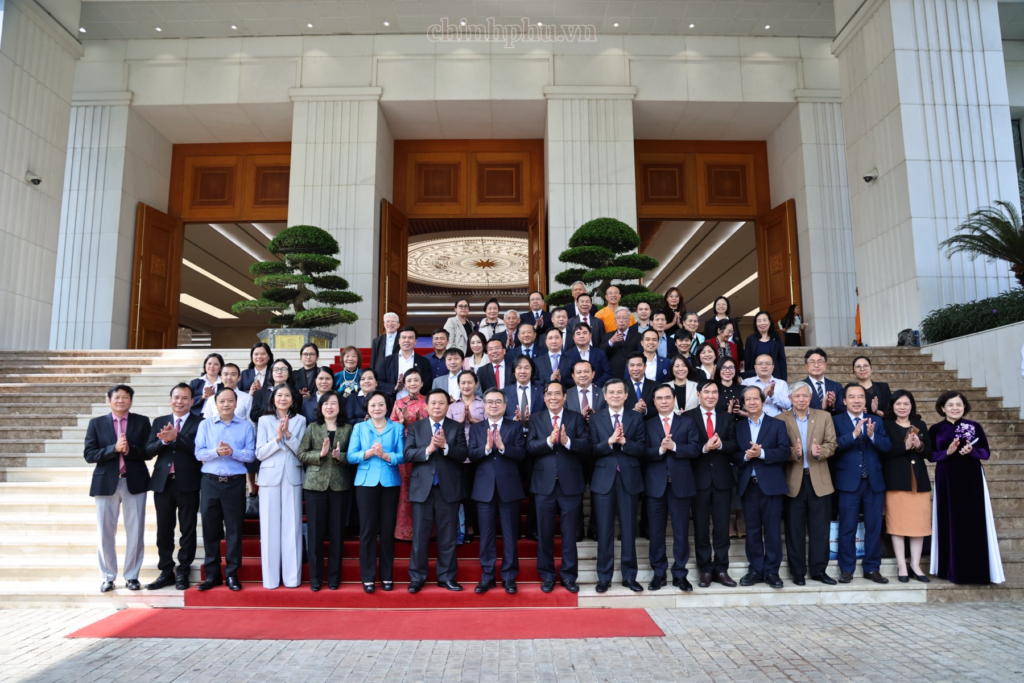
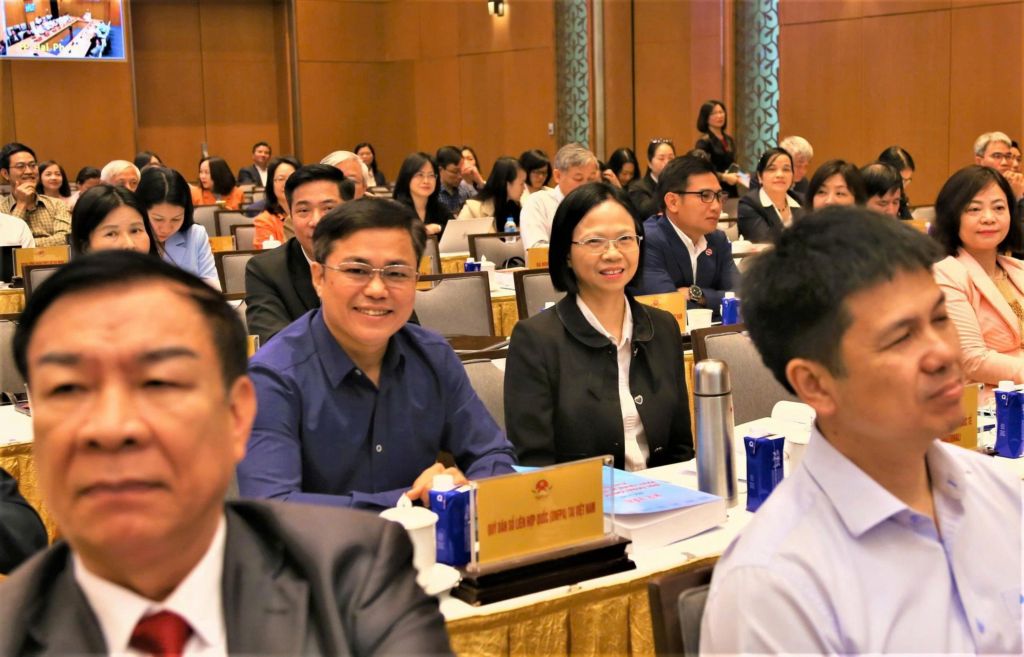
On November 16, 2026, the Policy Dialogue Conference on Developing the Silver Economy Ecosystem was solemnly held at the Government Headquarters. Bringing together top leaders of the Party and the State, the event marked a historic turning point in national policy-making: shifting from viewing population ageing merely as a “challenge” to recognizing it as a breakthrough development opportunity, positioning older persons as a vital driver of national growth in the new era.
Transforming the Growth Model and Repositioning the Role of Older Persons
The Conference was attended and co-chaired by leaders of the Central Policy and Strategy Commission, the Ho Chi Minh National Academy of Politics, the Central Theoretical Council, and the Communist Review, alongside Ms. Pham Thi Thanh Tra – Deputy Prime Minister and Chairwoman of the Vietnam National Committee on Older Persons, and Mr. Nguyen Thanh Binh – Vice Chairman of the Vietnam National Committee on Older Persons and Chairman of the Vietnam Association of the Elderly (VAE).
In addition, the dialogue convened representatives from central ministries and agencies, international organisations, experts, scientists, and pioneering enterprises in the silver economy sector, alongside the online participation of local leaders and exemplary older persons from 34 provinces and cities nationwide.
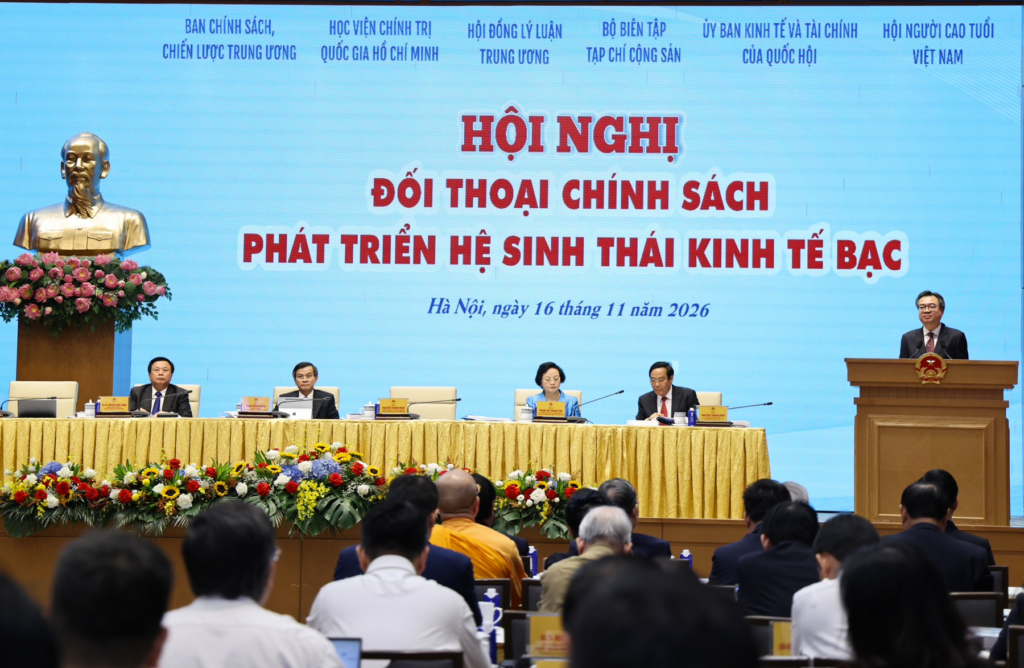
Addressing the Conference, Mr. Nguyen Thanh Nghi, Head of the Central Policy and Strategy Commission, underscored the imperative for early action and a long-term vision as Vietnam’s “demographic dividend” period is projected to end around 2036. He highlighted a critical reality: while average life expectancy in Vietnam has reached 74 years, healthy life expectancy stands at only around 65 years. Consequently, the core objective must go beyond extending lifespan to enhancing quality of life, health, and autonomy for older persons. He also emphasised that developing the Silver Economy must harmonise economic value creation with social equity. Older persons should be viewed not merely through the lens of consumer market size, but more importantly by unlocking their wisdom and experience while protecting vulnerable groups so that no one is left behind.
A Multi-Tiered Approach to Silver Economy Policy-Making
Deepening the theoretical and practical discourse, Mr. Doan Minh Huan, President of the Ho Chi Minh National Academy of Politics, proposed a comprehensive framework across three policy tiers. The first tier focuses on social security, ensuring income security, long-term healthcare, and dignity for older persons. The second tier centers on market development, fostering industries, services, and business ecosystems tailored to the diverse needs of later life. The third tier addresses resource creation, designing institutional mechanisms that enable older persons to continue contributing their knowledge, skills, and capital to shared prosperity.
Mr. Doan Minh Huan also delineated two distinct dimensions of older persons within the Silver Economy. In the first dimension, they serve as consumers, generating new market segments in housing, healthcare, technology, and finance. In the second dimension, they act as producers and creators of new value through continued employment, entrepreneurship, consultancy, and knowledge transfer. Navigating the complexity of this ecosystem requires a robust inter-sectoral coordination mechanism in which the State plays a facilitative role, enterprises serve as the core of innovation, and older persons are placed firmly at the center.
Removing Institutional Bottlenecks and Strategic Direction from the Government
To translate these orientations into reality, the Conference candidly examined existing bottlenecks, including policy fragmentation, shortages in long-term care infrastructure, and limited affordability among a large segment of older persons, as pension coverage currently stands at nearly 42%.
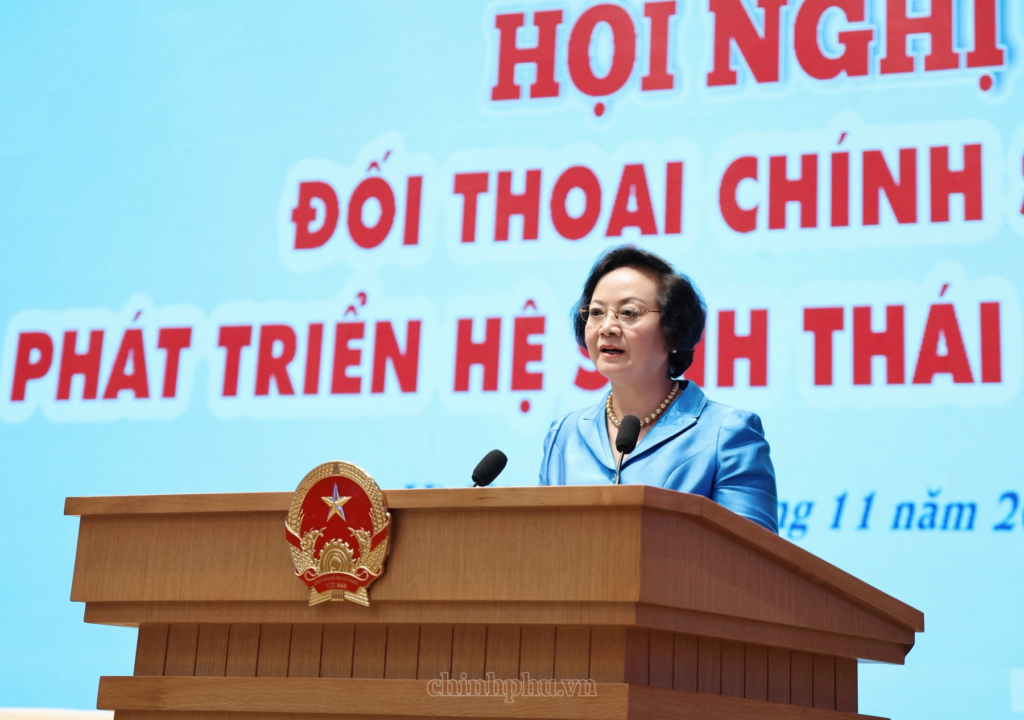
In her concluding remarks, Deputy Prime Minister Pham Thi Thanh Tra affirmed that developing the Silver Economy is not solely an economic imperative, but also a profound political, ethical, and humanitarian responsibility of the entire society. She instructed relevant ministries and sectors to urgently coordinate and remove institutional barriers to finalise the draft “Scheme on Developing the Silver Economy in Vietnam to 2035” for submission to the Government. She specifically emphasised establishing a synchronised legal framework to encourage the private sector and social organisations to provide healthcare, technology, and housing services for older persons, alongside accelerating digital transformation, applying science and technology, and diversifying integrated care services. Notably, the Deputy Prime Minister highlighted scaling up the Intergenerational Self-Help Club (ISHC) model as a practical, sustainable grassroots solution to mobilise community resilience, support older persons in improving income and health, and sustain social connectedness. Through these directives, the Government reaffirmed its commitment to building an inclusive environment where all older persons can access essential services, remain protected from risks, and enjoy equal opportunities to continue contributing.
Shared Vision and Commitment of HelpAge International
As a leading international organisation championing the rights of older persons, HelpAge International in Vietnam (HAI) highly commends the strategic orientations emerging from the Conference. Alongside participating directly in the event, HAIV contributed an in-depth paper to the official Conference Proceedings, sharing practical field experience and policy recommendations on community-based care models, digital inclusion, and active ageing.
Ms. Tran Bich Thuy, Country Director of HAI, noted that the Government’s macro-level vision aligns seamlessly with the rights-based approach and community initiatives that HAIV actively implements. The Deputy Prime Minister’s recognition of the Intergenerational Self-Help Club model stands as a clear testament to the effectiveness of grassroots institutions in operationalising the “social security and resource creation tiers” discussed at the Conference—empowering hundreds of thousands of older persons to maintain economic and health autonomy, embrace digital technologies, and actively contribute to society.
Elevating the Silver Economy into a national strategy demonstrates Vietnam’s forward-looking vision. This milestone is not merely about opening a new market, but making a strategic, people-centered choice. HAIV remains committed to standing alongside the Government, the Vietnam Association of the Elderly, ministries, and the business community to provide scientific evidence, policy advice, digital inclusion initiatives, and scalable grassroots models—contributing to a resilient economy and an active, inclusive ageing society.

